SkinPen Microneedling
Fine needles prompt your skin to make new collagen,
softening scars and rough texture without heat.

What Is
SkinPen Microneedling?
SkinPen microneedling uses fine, sterile needles to make controlled micro injuries in the skin, so it heals with new collagen and elastin. We use it for acne scars, rough texture and fine lines, often with PRP. Microneedling, also called collagen induction, uses no heat or radiofrequency, which makes it a careful option for skin that reacts to inflammation.
At a Glance
- Comfort
- Fine needles, no heat; a mild sunburn feel after
- Downtime
- 1 to 3 days of redness
- Results in
- Texture from 4 to 8 weeks; builds for 6 months
- Sessions
- More than one, 4 to 6 weeks apart
- Lasts
- Collagen keeps building; upkeep a few times a year
Who It’s For
For texture and scarring, and for skin that does not tolerate heat.
Ideal For
Acne scars, rough texture, fine lines and crepey skin on the face, around the eyes and mouth, the neck and chest. It suits people who cannot tolerate much inflammation, and it can be part of a careful plan for melasma because it uses no heat. Paired with PRP, it may heal faster. See all our lasers and devices.
When to Wait
We wait while acne is breaking out, rosacea or eczema is flaring, or you have a cold sore. In darker skin tones the treatment is planned with care to avoid dark marks. With melasma, the season and your routine are planned first.
Microneedling or a laser?
Microneedling builds collagen with needles alone, no heat, while fractional lasers such as Fraxel Dual use heat to resurface. For deep acne scars, microneedling is usually one part of a plan with subcision or CO2 laser resurfacing. Microneedling with radiofrequency, such as Secret RF, adds heat to tighten. Compare acne scar treatments by scar type. Compare microneedling, Fraxel and Clear + Brilliant for texture and pores.

“Microneedling doesn’t use heat, which makes it a careful choice for skin that marks easily. It is a great procedure for collagen maintenance for most patients.”
The Treatment
1
Plan the
Series
The type of scar or texture sets the plan. Your doctor decides whether to add PRP and plans one treatment to see how your skin responds.
2
Controlled
Micro Injuries
Fine needles make controlled micro injuries, deeper than home rollers reach, kept more superficial around the eyes. Serums or PRP applied right after absorb better while the skin is open.
3
Heal and
Build Collagen
Expect one to three days of redness, like a mild sunburn. Texture improves from four to eight weeks and keeps building, which is why sessions are spaced four to six weeks apart.
Beneath the Surface
Often paired with: PRF for Under Eyes, Fraxel Dual and Lasers & Devices.
“Micro needling. 8 out of 10. You’re going to appreciate this one as you get wiser and older.”
In Our Patients’ Words

“
Highly recommend Dr. Fisher! She truly cares about your skin health before anything else, which made the experience incredibly comforting and informative. I left feeling not only great about my results but like I’d actually learned something about my skin. …
Tyler G.
“
Unparalleled experience. I’ve never been to a doctor’s office that not only looks like a home, but also makes me feel like family. From the minute I entered, I knew I was in good hands, and Dr. Idriss truly lived up to every expectation and beyond. She helped me achieve my skin and hair goals- and I have never felt more confident. I cannot recommend enough!
JC
“
Dr. Fisher is amazing! She answered all of my questions and never pushed me onto anything. She cares about her patients. Will definitely come to her again if I need an opinion on anything relating to hair or skin.
Zubaida M.
“
I had already learned so much about skincare from Dr Idriss by following her on socials and knew she was the only derm I wanted to help me age gracefully. I really valued her subtle work and trusted her expertise. In person, Dr Idriss is thoughtful and caring and takes the time to answer questions and explain everything thoroughly. …
Amira S.
Bryant Park, New York
Your Dermatologists
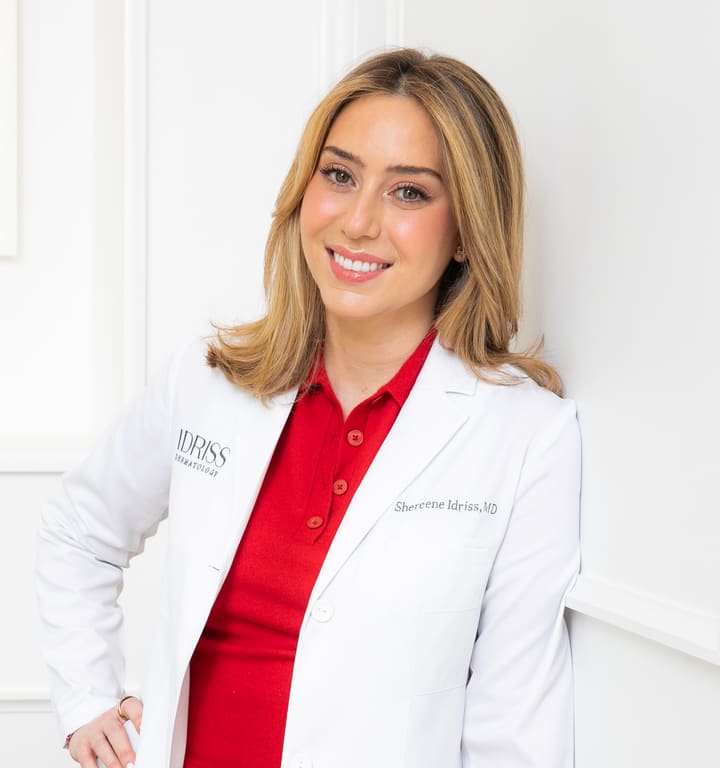
Founder
Dr. Shereene Idriss
Often pairs microneedling with PRP, made from your own blood.
Board-certified, Practicing since 2013
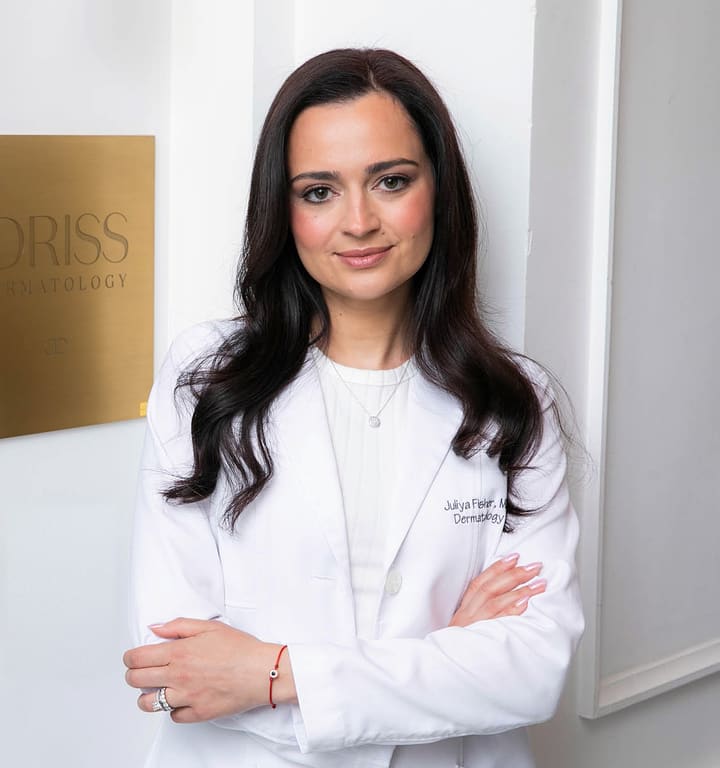
Dermatologic Surgeon
Dr. Juliya Fisher
Matches the plan to the type of scar.
Double Board-certified, Columbia Mohs fellowship
Both doctors share one philosophy, so either is a good place to start. Book online with Dr. Fisher, or call (212) 612-1520 for Dr. Idriss.
Questions, Answered
How much does microneedling cost in NYC?
How many microneedling sessions do I need?
What is the downtime after microneedling?
When will I see microneedling results?
Is microneedling with PRP better?
Is professional microneedling better than at home microneedling?
Is microneedling safe for darker skin or melasma?
Is SkinPen FDA cleared?
We do not perform cosmetic treatments during pregnancy. Breastfeeding patients are evaluated case by case.