Under Eyes &
Dark Circles
For dark circles, hollows and under eyes that look tired.
With Dr. Juliya Fisher and Dr. Shereene Idriss.

In Brief
Dark circles and under eye hollows come from pigment, visible blood vessels or a hollow that casts a shadow, often more than one at once. We find the cause first. PRF from your own blood helps thin, hollow skin. A conservative amount of filler or your own fat restores lost volume, and Fraxel and Vbeam treat pigment and vessels.
Diagnosis First
Dark circles come from three things, and most people have more than one.
- Pigment. A brown or gray color change that tends to run in families and shows more in deeper skin tones. Chronic rubbing makes it darker.
- Blood vessels. A blue, purple or slightly red tint, often worse in the morning, because the skin under the eyes is thin. Allergies and congestion add to it.
- Structure. A hollow under the eye, from your bone structure and from the volume, fat and collagen lost with age, casts a shadow even where your skin tone is perfectly even.
To check at home, press gently under your eye. Darkness that lightens is mostly vessels and darkness that stays put is pigment. A shadow that fades when light falls straight on your face is a hollow.
Pigment, vessels and hollows each need a different treatment. Here, the dermatologist who diagnoses you is the one who treats you.
“Think of your under eyes like a dent in a wall. You can paint over it … But if that dent is still there, you will always see a shadow.”
What We’d Skip
Most of what’s sold for dark circles works on the surface, and the cause usually sits beneath it.
Don’t expect an eye cream to fill a hollow
A hollow is structural, and no cream builds collagen that deep. Botox, which relaxes muscle, doesn’t treat it either.
Don’t scrub or bleach the skin under your eyes
Lemon juice, baking soda and coffee ground masks are abrasive on the thinnest skin of your face, and rubbing makes pigment darker. Treat this skin gently.
Don’t fill only the hollow
Filler under the eyes alone, without looking at the rest of the face, is “like ironing one sleeve of a wrinkled shirt,” says Dr. Idriss. Often the better plan supports the cheek instead.
Don’t treat bags as hollows
Puffiness that is always there usually comes from fat pads pushing forward. Filler can only mask it, and creams will not shift it. Surgery is what removes it.
Don’t choose a treatment because it’s trending
Your face isn’t a trend. The right treatment depends on the cause your doctor finds.
How Are Dark Circles and Hollow Under Eyes Treated?
Treatment follows whatever is causing the darkness, whether structure, blood vessels or pigment. “Diagnose first, treat second,” as Dr. Idriss says.
- Thin, hollow or tired looking under eyes. PRF for Under Eyes, made from your own blood, can help the area look firmer and less translucent over months, especially if you do not want filler or are not a candidate. It is what Dr. Idriss uses on her own under eyes, and it does not work for everyone.
- A hollow that comes with flattened cheeks. A little Dermal Fillers along the cheek and outer face can lift the area so the hollow shows less. Filler in the hollow itself suits only some faces, depending on the bony rim beneath the eye.
- Volume lost across the midface. Regenerative Fat Transfer moves a small amount of your own fat to the midface and some under eye hollows, for a lasting result, done conservatively.
- Purple or red circles that lighten when you press. Vbeam, a pulsed dye laser, can shrink the small vessels behind them. It is not a cure. The vessels refill, so it needs maintenance.
- Brown or gray pigment, or fine lines. Fraxel Dual Laser can lessen pigment and fine lines around the eyes over several treatments. Pigment you were born with is the hardest to shift, and rarely a one and done.
For bags from fat pads, or very loose skin under the eyes, a surgeon may be the right answer.
The Treatments
We use five treatments for the under eyes, each for a different cause.
- Dr. Idriss’s own under eye treatment
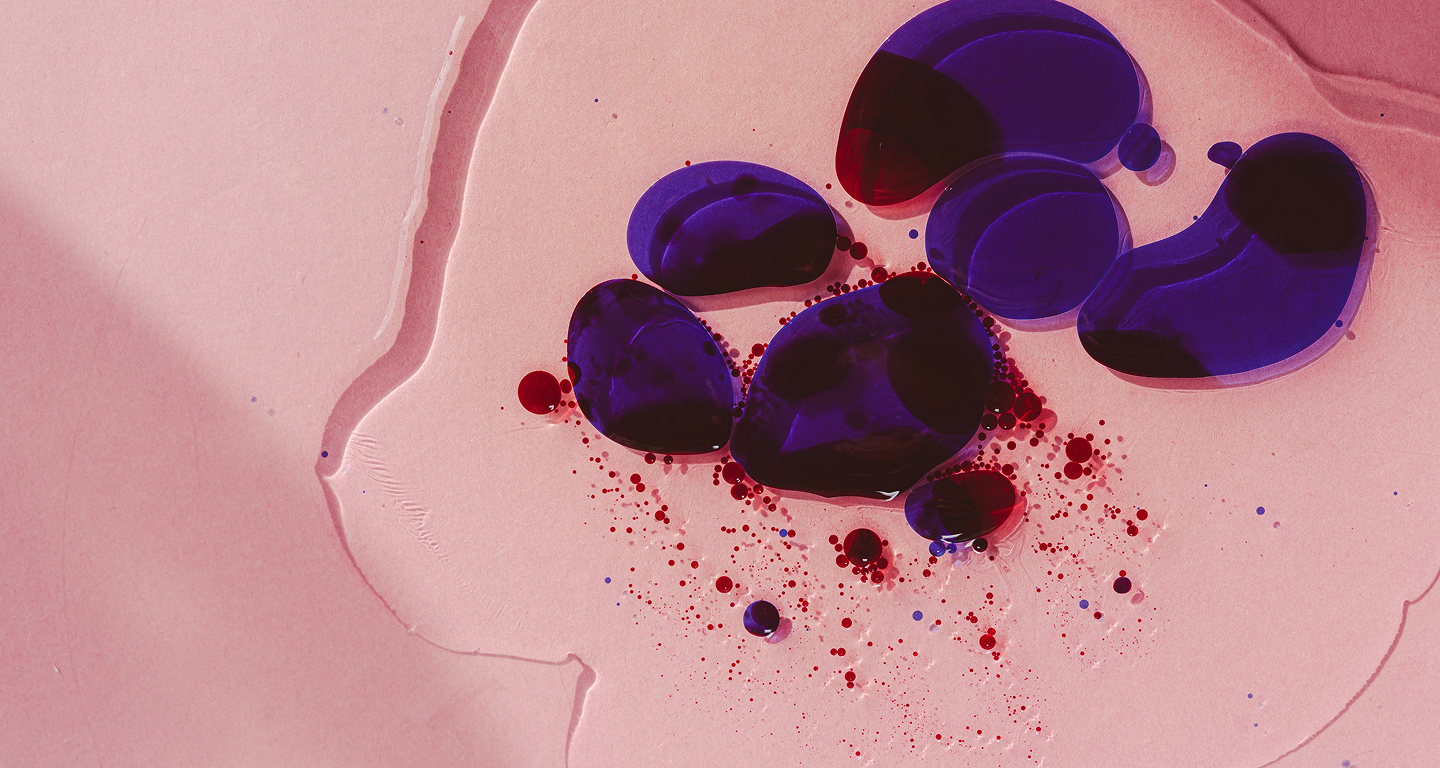 PRF for Under EyesYour own blood, prepared as a gel to help thin, hollow under eyes look firmer
 Dermal FillersHyaluronic acid filler, placed conservatively, often in the cheek rather than the hollow
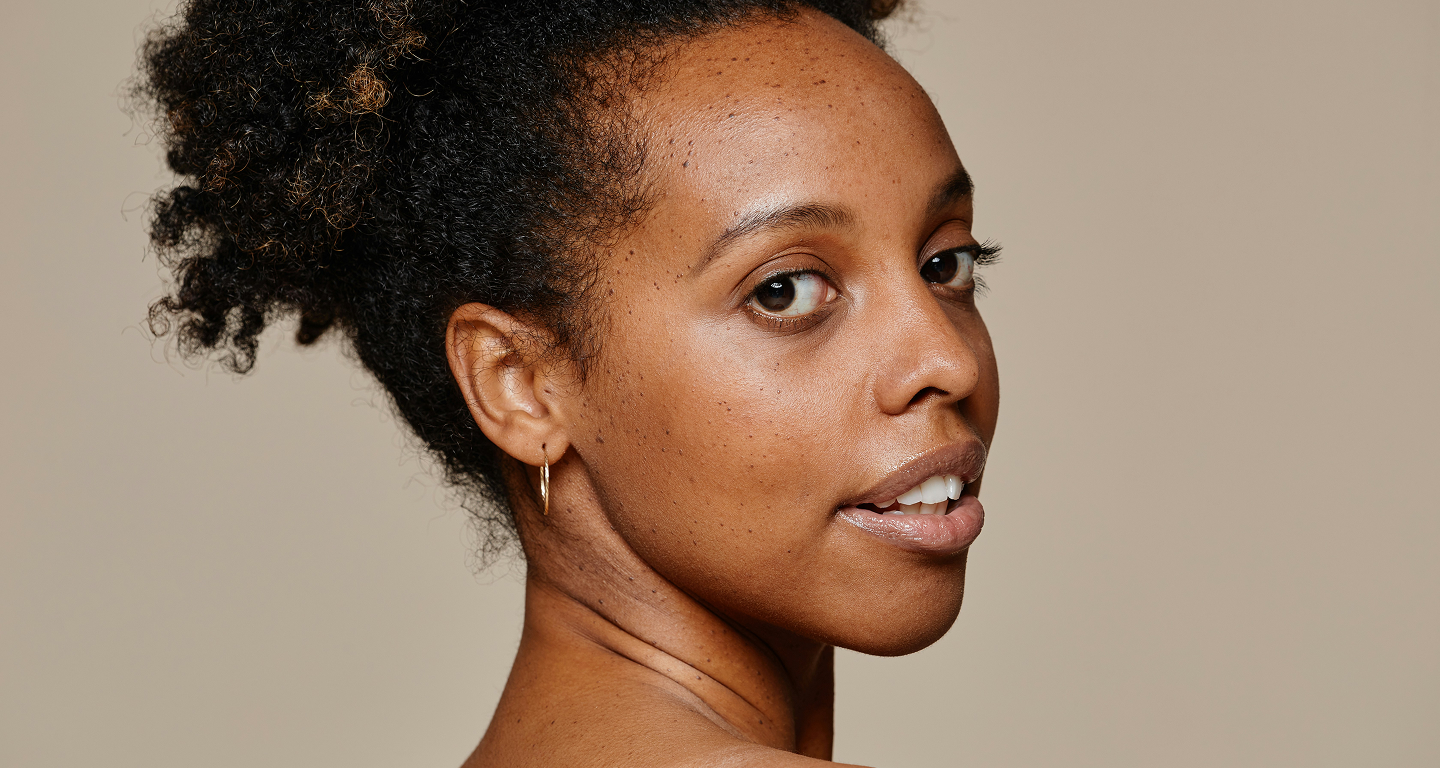 Regenerative Fat TransferYour own fat, moved in one visit, for broader volume loss
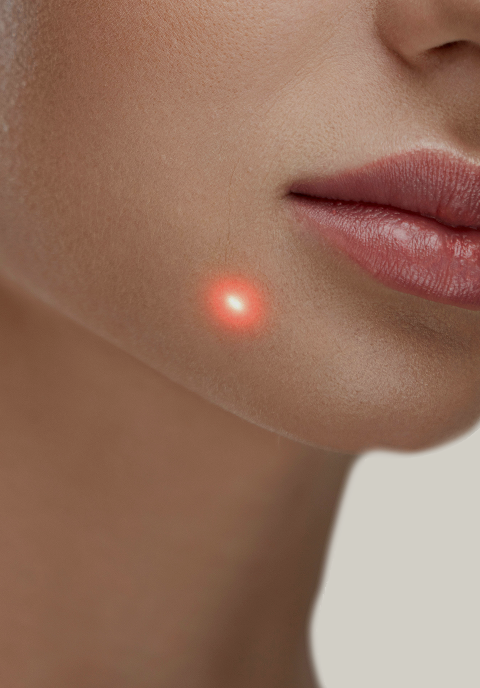 VbeamA pulsed dye laser for purple and red, vascular circles
 Fraxel Dual LaserA fractional laser for pigment and fine lines around the eyes
Side by Side
PRF, filler and fat transfer treat the structure under the eyes, while Vbeam and Fraxel treat its color. Often both are needed.
| Treatment | How it works | Suited to | Downtime | Sessions | Results |
|---|---|---|---|---|---|
| PRF for Under EyesPRF EZGel, made from your own blood; never a volumizer | A small blood sample is spun slowly into a gel and placed under the eyes; its growth factors help the tissue look firmer over months. Never a volumizer | Thin, hollow or translucent under eyes, if you do not want filler or are not a candidate | Swelling, possible bruising; discoloration up to 2 weeks | Dr. Idriss’s approach: three, a month apart, then a pause | Slow and modest; judged around 5 months in |
| Dermal FillersHyaluronic acid fillers and Skinvive | Hyaluronic acid gel placed in small amounts, often along the cheek and outer face rather than in the hollow; it can be dissolved | Hollows from lost cheek volume; under the eye itself only when the bony rim sits higher than the hollow | Little; possible swelling or bruising | Built gradually; lips about 8 weeks apart | Right away |
| Regenerative Fat TransferYour own fat, moved in one visit under local anesthesia | A small amount of your own fat, taken under local anesthesia, prepared within the hour and placed the same visit; never stored | Volume lost across the midface and some under eye hollows, for a lasting result | Days for the face; donor area sore 1 to 2 weeks | Not always one; no more than every 4 to 5 years | Settles over months; not all of the fat stays |
| VbeamPulsed dye laser | A pulsed dye laser collapses the small vessels near the surface; they refill over time | Purple, blue or red circles that lighten when pressed | Depends on your settings; a red spot can turn purple for a few days | Usually 3 to 5 for redness across the face | Over a series; a single red spot in 1 or 2 sessions |
| Fraxel Dual LaserNon-ablative fractional laser, 1550 nm and 1927 nm | A non-ablative fractional laser treats microscopic columns of skin while the skin around them stays intact | Brown or gray pigment and fine lines around the eyes | Shorter than ablative lasers; a few days of redness and peeling | 1 to 5, set after your skin’s first response | After the first session, improving over time |
“Under the eyes, I think in millimeters. A little support in the right place looks rested. Too much looks puffy, and filler there can linger for years.”
In Their Words

“
Dr. Idriss is the best! She is incredibly down-to-earth, realistic and honest. … I’ve also seen Dr. Fisher, who is equally amazing. She performed PRF using a different technique with a cannula. At first, I was apprehensive, but I was so glad I experienced the session with her. … She is also very sweet, gentle and attentive. …
Paula B.
“
I would recommend Dr Idriss a thousand times over and over. She is extremely knowledgeable, knows what will work and what won’t and will always give you an honest recommendations. You will never feel pushed into moving forward with any injections or procedures.
Hiva F.
“
I highly recommend Dr. Fisher. I followed her from her previous practice and I continue to be happy with my results. I’ve gotten fillers and laser. Whenever I’ve wanted to do more, she was always honest with me. If I didn’t need it, I could count on her to tell me
Lillian J.
“
Absolutely love Dr. Idriss. She has a very thoughtful approach to her practice and really wants you to look and feel like the best version of you. I’ve been seeing her for years and trust her completely with all my skincare needs. She is also just a lovely person and my appointments are always a pleasure.
Ekaterina B.
Bryant Park, New York
Your Dermatologists
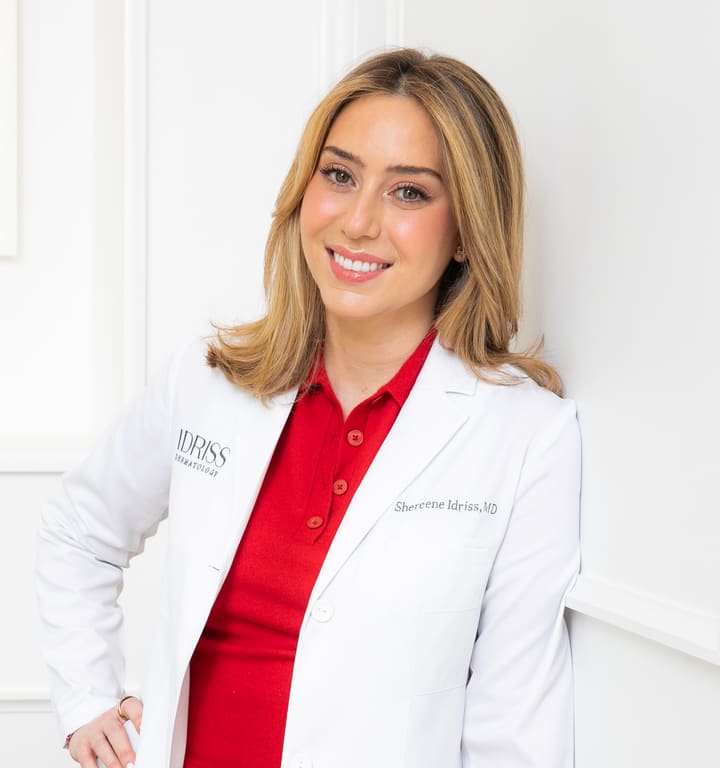
Founder
Dr. Shereene Idriss
Candid advice, subtle results.
Board-certified, Practicing since 2013
Dermatologic Surgeon
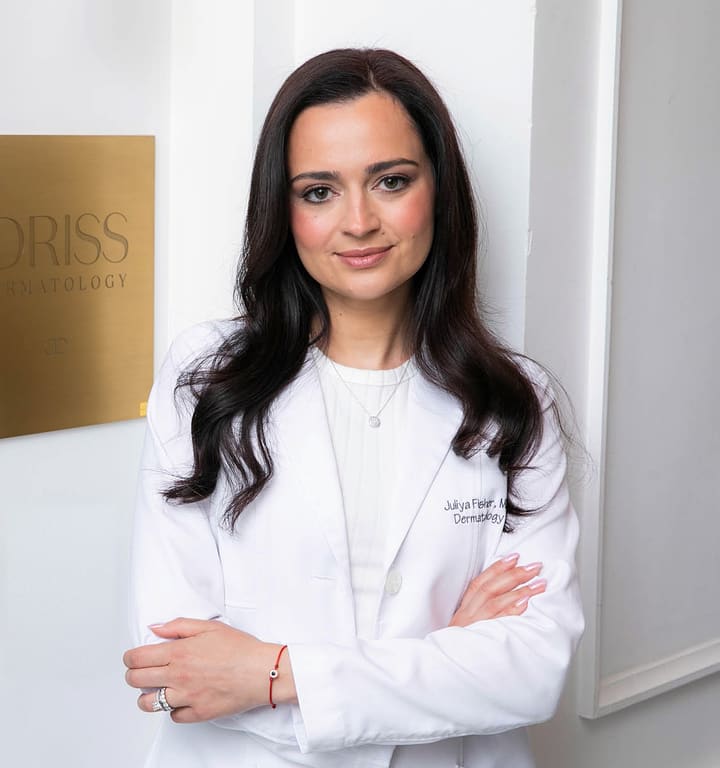
Dr. Juliya Fisher
Trained to work in millimeters.
Double Board-certified, Columbia Mohs fellowship
Both doctors share one philosophy, so either is a good place to start. Book online with Dr. Fisher, or call (212) 612-1520 for Dr. Idriss.