IPL Photofacial in NYC
Intense pulsed light treats sun spots and redness
in the same session, for a more even tone.

What Is
IPL?
IPL, short for intense pulsed light and often called a photofacial, fades sun spots and diffuse redness with many wavelengths of light at once, absorbed by brown pigment and by the red of small blood vessels. Unlike a laser, which aims one wavelength at one target, IPL is less specific but treats a little of both in one session.
At a Glance
- Comfort
- Heat with each pulse; a cooled tip, eyes covered
- Downtime
- Little from the light itself; skip the sun after
- Results in
- Gradually, over a series
- Sessions
- A series; usually more than a laser needs
- Lasts
- Not permanent; sunscreen helps keep the result
Who It’s For
Sun damage that shows up brown and red at once.
Ideal For
Sun spots and freckling with background redness, an uneven, blotchy tone on the face, neck or chest, and diffuse redness when brown spots need treating too. It is the choice when you want a little of everything in one treatment rather than one problem treated precisely. See all our lasers and devices.
When to Wait
Anyone with melasma: Dr. Idriss never recommends IPL for it, because the heat can make melasma rebound worse. IPL is also less suited to darker skin tones, where the risk of a burn and dark marks is higher, so your doctor may suggest another approach. A tan should fade first. Hair removal we do with a laser instead: see laser hair removal with Splendor X.
IPL or a laser?
A laser is one wavelength with one target, red or brown, so it is precise and usually needs fewer sessions. IPL is many wavelengths: less specific, so it usually needs more sessions, but it treats brown spots and redness together. For rosacea and broken capillaries we usually reach for Vbeam, and for a few defined dark spots, the Alexandrite laser. Compare IPL, Fraxel and the Alexandrite laser for dark spots. Compare IPL and Vbeam for rosacea and redness.
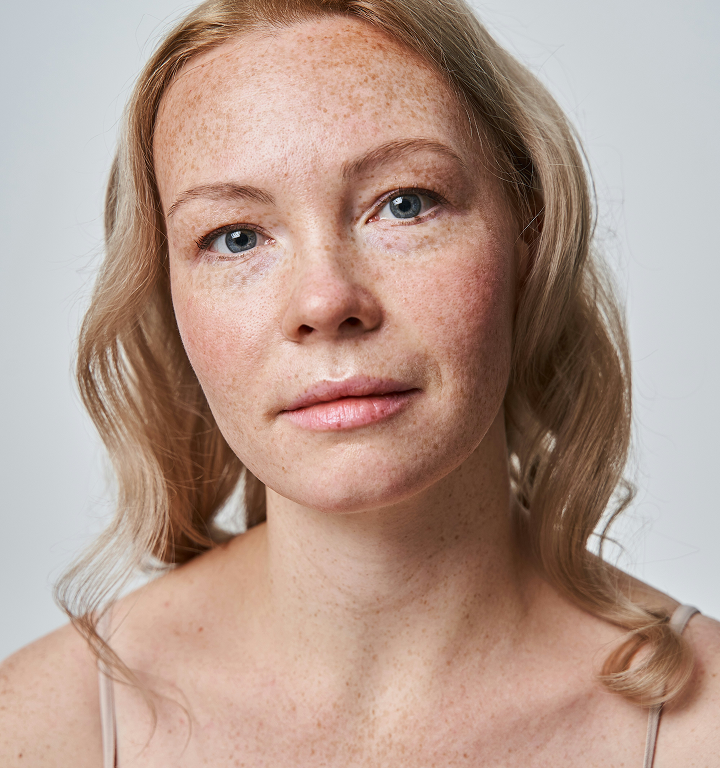
“IPL is useful when brown spots and redness sit together. I check first that what looks like sun damage is not melasma, because heat can make melasma rebound.”
The Treatment
1
Routine
Before Light
Your doctor confirms what your spots and redness are. Dr. Idriss asks most patients with sun damage to follow a targeted routine for 8 to 10 weeks first, and many are happy with that alone.
2
Pulses of
Light
A thin layer of cooling gel goes on and your eyes are covered. Pulses of light are absorbed by brown pigment and the red of small vessels, which the heat breaks down.
3
A More
Even Tone
Spots and redness fade over the series. Daily sunscreen and your routine help keep the deeper pigment quiet so the result lasts.
Beneath the Surface
Often paired with: Vbeam, Alexandrite and Customized Care.
“You can get a little bit of everything in one.”
In Our Patients’ Words

“
I had a great experience with Dr. Fisher, who treated my acne scars with laser. She was incredibly compassionate, thorough and made me feel completely at ease throughout the whole process. …
Bernie F.
“
I’ve been a patient of Dr. Idriss’ since 2020 and will sing her praises to anyone who will listen. She genuinely cares about her patients, takes time to listen to and address your concerns, is invested in long term relationships (clearly not there to make a quick buck) and most importantly, is an absolutely world class dermatologist. …
Jennifer C.
“
Highly recommend this dermatology office! I’ve been seeing Dr. Fisher at her old practice and now that she moved over to Idriss Dermatology, I had to follow her! The team is professional, welcoming, and truly cares about patient needs. My appointments are always on time, and the care I’ve received has made a real difference in my skin. Couldn’t be happier!
Ilda F.
Bryant Park, New York
Your Dermatologists
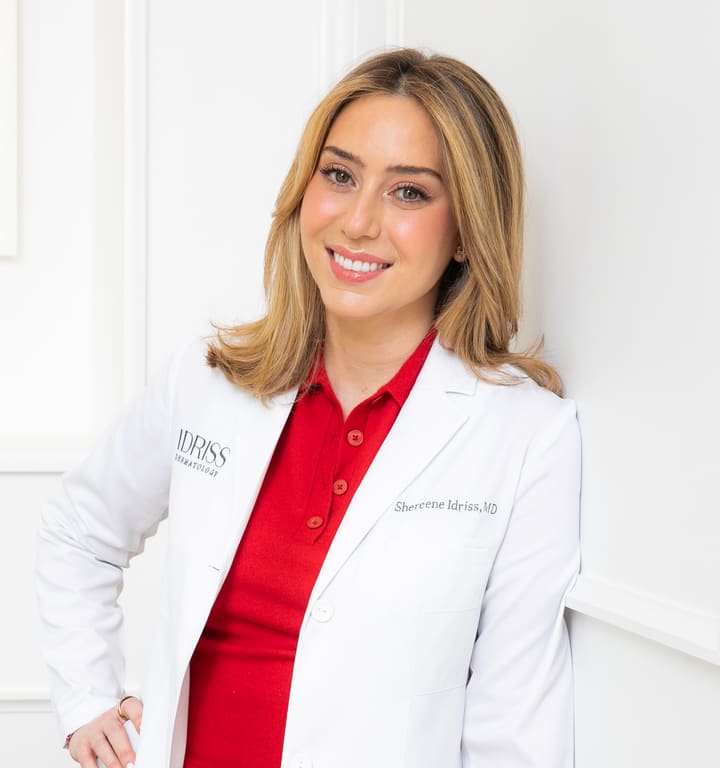
Founder
Dr. Shereene Idriss
Uses IPL when you want a little of everything in one treatment.
Board-certified, Practicing since 2013
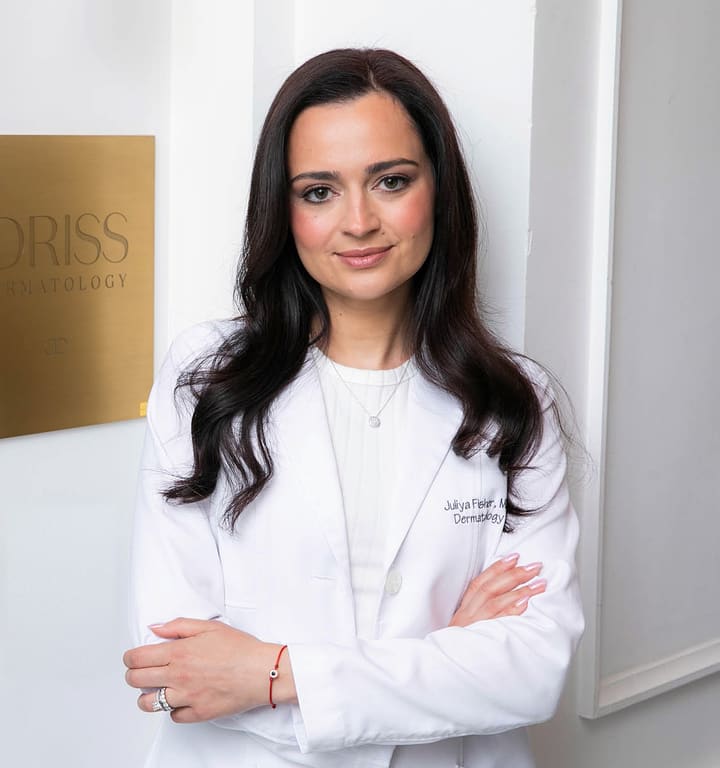
Dermatologic Surgeon
Dr. Juliya Fisher
Works out what your spots and redness are before choosing light or laser.
Double Board-certified, Columbia Mohs fellowship
Both doctors share one philosophy, so either is a good place to start. Book online with Dr. Fisher, or call (212) 612-1520 for Dr. Idriss.
Questions, Answered
What is an IPL photofacial?
Is IPL a laser?
Does IPL work for melasma?
Is IPL safe for darker skin?
IPL or Vbeam for redness?
Does IPL hurt?
Can I have IPL in the summer?
How much does IPL cost?
We do not perform cosmetic treatments during pregnancy. Breastfeeding patients are evaluated case by case.